How Do Courier Services Use Route Optimization to Handle High Volumes?
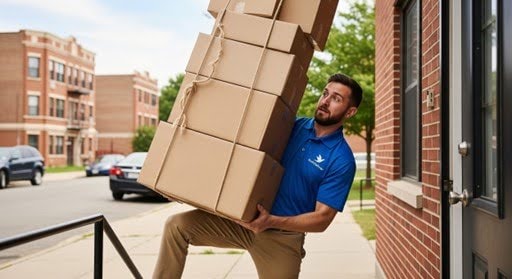
Courier service providers are under immense pressure to perform fast and reliable delivery services and establish efficient delivery routes, especially in the context of last-mile delivery, because of today’s fast-paced world. They must meet escalating delivery demands and keep up with evolving and challenging logistics operations.
With the rise in e-commerce and customers expecting rapid and efficient deliveries, managing high volumes of deliveries efficiently is a critical challenge. However, this is where route optimization steps in as the ultimate solution.Route optimization tools and systems allow courier services a more strategic approach, enabling them to plan and execute the most efficient routes for speedy delivery. By leveraging route optimization software and these advanced technologies, courier services improve their logistics efficiency, streamline their operations, reduce delivery costs, and focus on improving customer satisfaction.
Understanding Route Optimization in Delivery Operations
Route optimization is an essential tool that courier service providers and delivery companies use to enhance their delivery operations and ensure speedy deliveries.
What is Route Optimization in Logistics Operations?
Route optimization involves technology that determines to most efficient routes for delivery vehicles to use, factoring in traffic conditions, distance, delivery windows and vehicle capacity constraints, among other factors. Its goal is to minimize travel time and fuel consumption while taking into account traffic congestion, optimizing routes for maximum productivity and enhanced delivery speed.
The Importance of Route Optimization for Dynamic Route Planning
Effective delivery planning through route optimization is important for the following reasons:
- Cost Reduction, By minimizing unnecessary mileage and fuel consumption, courier services can significantly reduce operational costs.
- Time Efficiency, Optimized routes ensure timely deliveries, meeting customer expectations and service level agreements (SLAs).
- Environmental Impact, Efficient routing leads to lower emissions, contributing to sustainability efforts.
- Customer Satisfaction, Timely and accurate deliveries enhance customer trust and loyalty.
The Role of Route Optimization in Handling High Volumes, Including Challenges in Last-Mile Delivery.
Route optimization plays a significant role in the delivery process, handling high volumes of deliveries and managing delivery time windows to ensure operations run smoothly and that deliveries are on time.
Managing Increased Delivery Demands
Because of the global surge in online shopping, courier companies face the challenge of having to handle much higher volumes of deliveries cost-effectively.
Route optimization technology helps service providers to streamline this delivery planning process with advanced delivery tracking in the following ways:
- Balancing Workloads, Distributing deliveries evenly among drivers to prevent burnout and ensure consistent service.
- Dynamic Adjustments, Adapting routes in real-time to accommodate last-minute orders or cancellations.
- Efficient Resource Utilization, ensuring that they use the full capacity of vehicles to operate at optimal efficiency.
Enhancing Operational Efficiency
Planning deliveries effectively, taking into consideration all the factors that affect transport, logistics, and fuel efficiency, leads to overall delivery efficiency.
- Reduced Fuel Costs, Shorter and more direct routes decrease fuel consumption.
- Lower Maintenance Expenses, Less wear and tear on vehicles results in reduced maintenance costs.
- Improved Fleet Management, Better tracking and utilization of vehicles enhance overall fleet performance.
Technologies Driving Delivery Routes and Planning
Route optimization software, along with real-time tracking tools and applications, makes optimal route planning possible for courier service providers.
Modern route optimization software can integrate various technologies such as management systems and real-time tracking tools to enhance your delivery operations.
AI, Technology such as Artificial Intelligence AI) uses algorithms to analyze historical data and predict traffic patterns to suggest more practical routes.
ML, Machine Learning is a model that learns from past data continuously to improve overall routing decisions and suggestions.
Real-Time Tracking, Real-time tracking incorporates live tracking updates and weather conditions to allow for more dynamic route adjustments.
Mobile Apps – Mobile applications, such as driver apps, allow drivers to implement turn-by-turn navigation and offer real-time updates to improve their delivery efficiency.
Benefits of Advanced Technologies
Using advanced technology for route planning holds the following benefits:
- Scalability, technology solutions allow you to scale to accommodate growing delivery volumes and demands.
- Accuracy, Real-time data ensures precise delivery times and locations.
- Flexibility, the data gives you the ability to easily adapt to changing conditions and customer requirements in real-time.
The Impact of Route Optimization on Customer Satisfaction
Implementing route optimization allows courier services to improve their operations, reduce delays and ensure that deliveries reach their destination on time.
Such efficiency helps to ensure customer satisfaction in the following ways:
Timely Deliveries
Couriers must ensure that they make all deliveries within the promised timeframes. Route optimization helps to achieve this by providing more accurate time estimations for customers. Furthermore, using optimal routes reduces delays and minimizes the chances of late deliveries. Integrated tools, such as real-time tracking, allow enhanced communication between customers and the service provider, keeping customers informed about the status of their deliveries.
Improved Service Quality
Optimizing routes improves service quality for courier service providers, especially those handling larger volumes of deliveries. Because they can provide reliable delivery times and efficiency, they ensure consistent performance that boosts their reputation.
Tailoring their services to meet individual customer needs also gives personalised experiences for customers to appreciate. Thus, it leads to increased loyalty, where satisfied customers will return for a service and recommend a company to others.
Conclusion: Navigating the Future of High-Volume Deliveries
In an evolving landscape of logistics and with a higher demand for fast and efficient deliveries in larger volumes, route optimization is no longer an option but a necessity. It gives courier service companies a significant competitive edge when managing higher volumes of deliveries.
Thus, by embracing advanced technologies and implementing more strategic planning techniques to optimize delivery routes, courier services can easily exceed customer expectations, creating customer loyalty and an improved brand reputation.
Thus, the future of delivery lies in intelligent routing, advanced technology, and adaptation to navigating the complexities of high-volume deliveries with ease.
Related Articles
Logistics Partnerships for Last-Mile Success
Why last-mile success often depends on the right logistics partners, what reliable partnerships deliver, the trends shaping them and how to build them.
Training Logistics Teams for High-Speed Fulfillment
Where training speeds up logistics fulfillment: receiving, picking, shipping and systems, plus building a safety-first culture and hand-offs that really work.