Field Service Route Optimization for Technician Teams
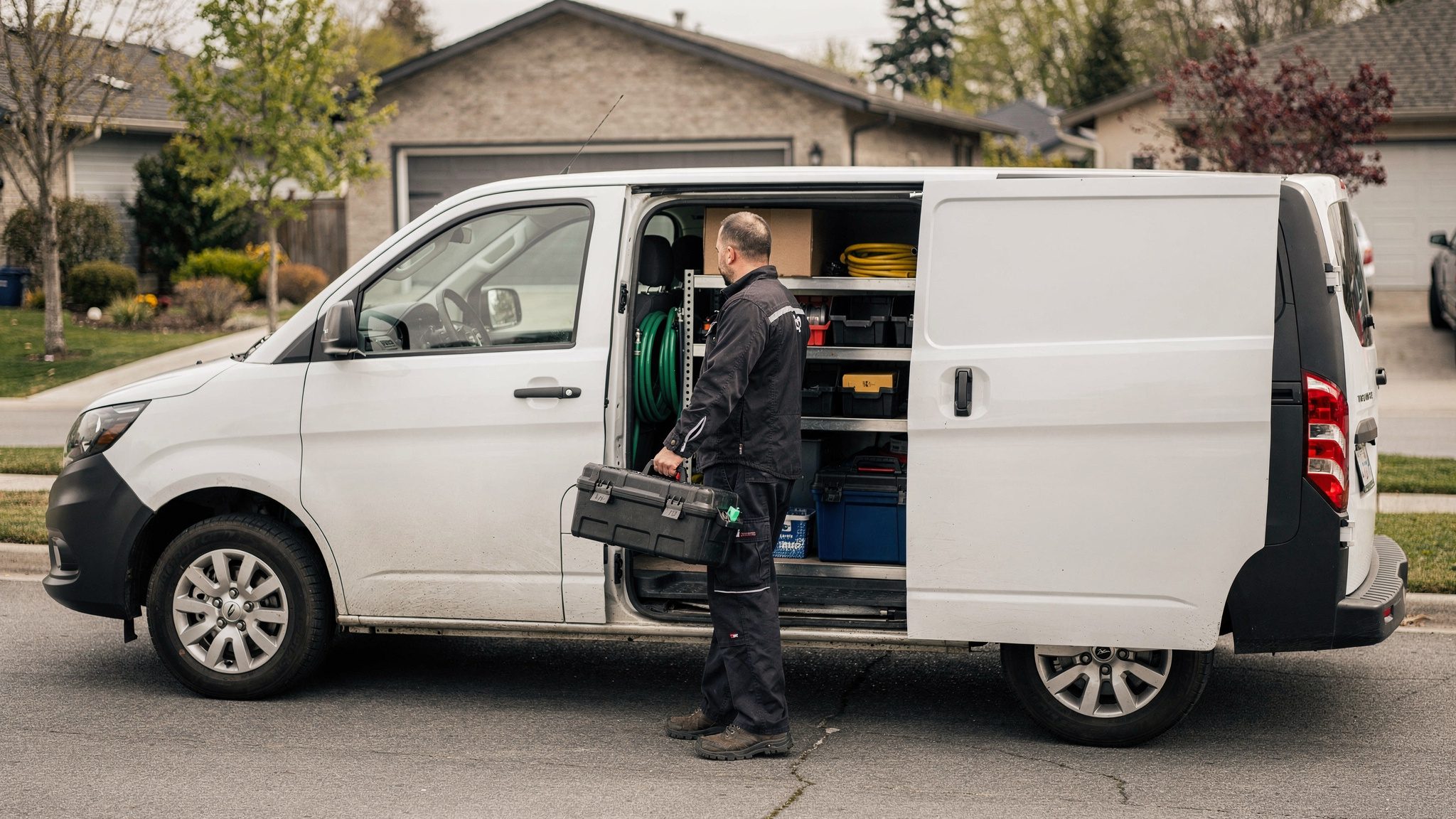
Field service route optimization plans technician routes around appointment windows, job durations, skills and same-day call-outs. See how it works.
Strategies and tools for optimizing delivery routes, reducing travel time, and maximizing driver efficiency across your fleet.
112 articles
Field service route optimization plans technician routes around appointment windows, job durations, skills and same-day call-outs. See how it works.
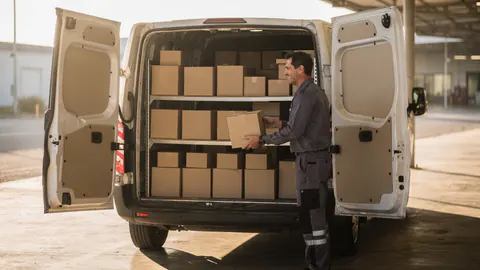
Learn how routing apps for delivery drivers plan multi-stop runs, share live ETAs and allow for time at the door, plus a checklist for choosing the right one.
Compare route optimization tools on what matters: time windows, vehicle limits, live re-sequencing and driver input. Use this checklist to choose well.
Driver routing and scheduling works best when routes and shifts are planned together. Learn how to build realistic workloads, plan for stop time and reroute.
Delivery route optimization is a constraint problem, not a distance problem. See the 11 constraints, the KPIs that prove it worked, and how to test solvers.
What routing logistics really means, from the vehicle routing problem and delivery constraints to regional long-haul routing, and how software solves it.
Searching 'optimum router' for your fleet? You likely need route optimisation software, or meant OptimoRoute. Here's what optimal delivery routing involves.
Evaluate route optimization software for real delivery operations. Covers time windows, proof of delivery, dispatch, integrations and pricing factors for 2026.
Where a transport management system adds value beyond dispatch: freight cost control, carrier selection, load planning, shipment visibility and analytics.
Why last-mile success often depends on the right logistics partners, what reliable partnerships deliver, the trends shaping them and how to build them.
Where training speeds up logistics fulfillment: receiving, picking, shipping and systems, plus building a safety-first culture and hand-offs that really work.
Why warehouse and last-mile delivery teams end up in silos, what real integration looks like, and how automation and a delivery management system close the gap.
How route logs, driver check-ins and proof of delivery data improve forecasting, disruption response, inventory planning and cost decisions in the supply chain.
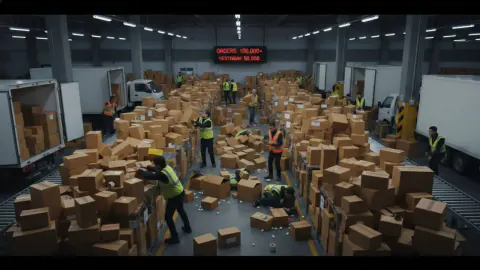
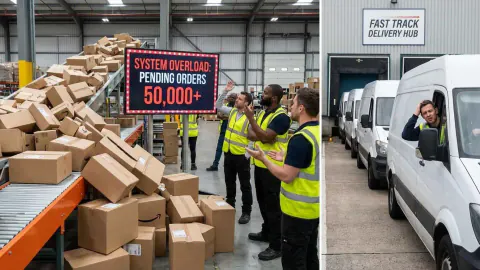
What breaks first when order volumes double overnight, from the warehouse to staffing and carrier capacity, and the strategies that help operations cope.
What automated routing does well, where drivers' local knowledge still fills the gaps, and how fleet managers can combine automation with driver judgement.
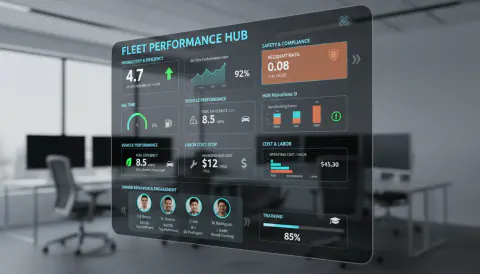
What stops per driver hour measures, why traditional fleet KPIs miss it, how to set your own benchmarks and practical ways to improve it across your fleet.
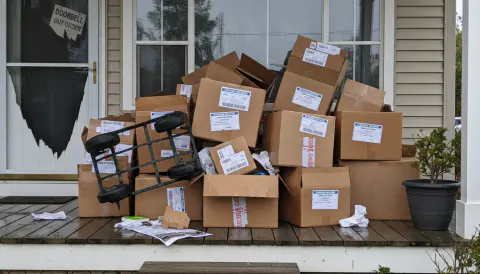
The data errors, communication gaps and road disruptions behind failed deliveries, and the practical steps logistics teams take to reduce them for good.
The four friction points where delivery operations break during fast growth, why complexity grows faster than volume, and how to build operations that scale.
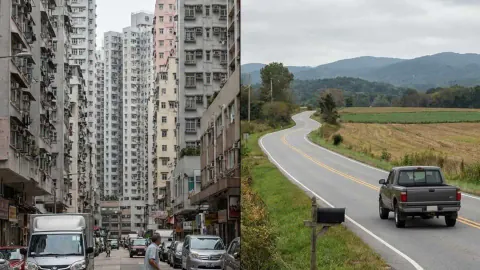
Why dense cities and rural routes need different last-mile delivery strategies, what works in each setting, and how to audit your own last-mile approach.
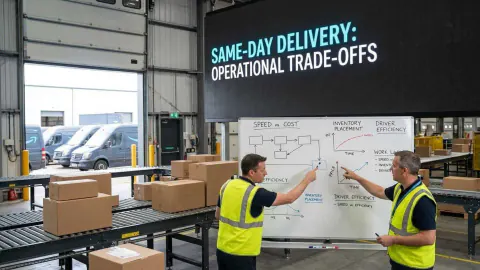
Same-day delivery trades speed against cost, forecasting, fleet capacity and compliance. See the operational trade-offs involved and tactics to manage each.