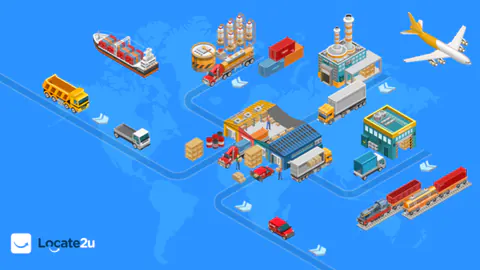
How Does GPS Fleet Tracking Work?
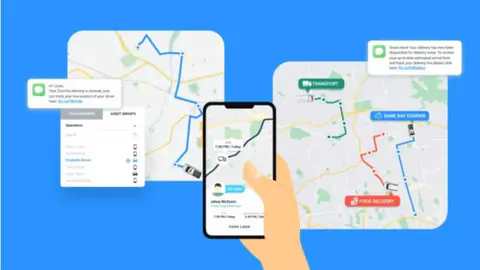
How GPS fleet tracking works, from the device in the vehicle to the live map, and how it cuts fuel waste, deters theft, stops timesheet fraud and improves ETAs.
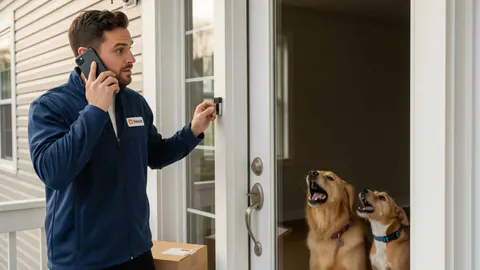
Practical guides and expert insights on delivery management, route optimization, and logistics technology. Page 13 of 47.
How GPS fleet tracking works, from the device in the vehicle to the live map, and how it cuts fuel waste, deters theft, stops timesheet fraud and improves ETAs.
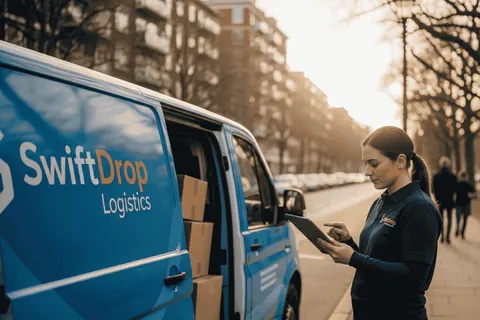
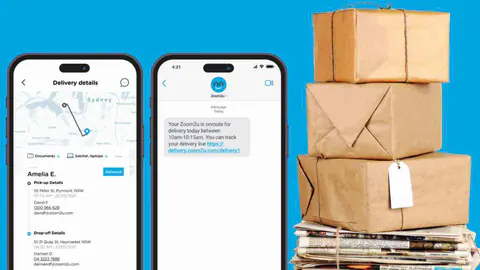
Missed delivery updates cause failed drops and repeat calls. Ten practical fixes, from accurate delivery windows and live tracking to two-way messaging.
Five ways to improve last mile delivery without adding vehicles: route optimization, tighter windows, fewer failed drops, smarter loading and better data.
Last mile delivery explained: what it is, why it is the costliest leg of the journey, the challenges it brings, and the tools and tactics that solve them.
Why businesses are moving warehouses closer to customers, how micro-fulfillment changes last mile economics, and what delivery density means for your routes.
Why last mile delivery is so expensive, from drivers, fuel and failed deliveries to same-day demands, and how software, density and lockers help cut costs.
Commission fees, brand control and customer data are pushing businesses to run their own drivers. Seven reasons to consider in-house delivery, and the signs.
Big and bulky deliveries are costly when they go wrong. How to plan routes, windows, vehicles and customer updates so couches and appliances arrive first time.
Cold food, damaged goods and missed drops cost you reviews. Five ways to fix your last mile delivery so customers leave five-star feedback, not complaints.
A great product can be undone by a bad delivery. Five ways the last mile shapes reviews, repeat purchases and revenue, and how to get the experience right.
Fifteen ways to overcome last mile communication challenges, from missing gate codes and language barriers to driver and dispatch mix-ups and failed attempts.