Proof of Delivery and Special Instructions
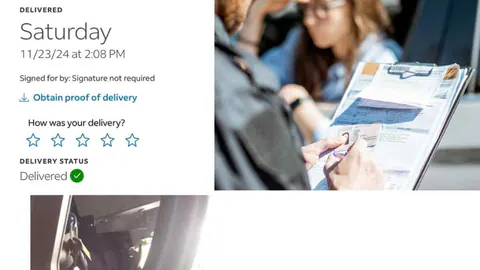
Ignored delivery instructions cost money and goodwill. Why proof of delivery should show a delivery was done as instructed, not just that it happened.
Practical guides and expert insights on delivery management, route optimization, and logistics technology. Page 24 of 47.
Ignored delivery instructions cost money and goodwill. Why proof of delivery should show a delivery was done as instructed, not just that it happened.
Ten metrics to track with a transport management system, from transport costs and on-time delivery to load efficiency, freight audit accuracy and emissions.
A transport management system is no longer just for big shippers. Eight affordable ways small businesses can use a TMS to plan routes, track and cut costs.
Why restaurants that deliver need a driver app: the real cost of unpredictable deliveries, live ETAs, faster routes and easier dispatch for hot, on-time food.
How a driver app keeps deliveries on track: real-time tracking, quick driver communication, streamlined paperwork and why a few minutes make a difference.
Why missed deliveries happen, from poor addresses and no one home to traffic and weak scheduling, and how to cut them for good with the right tools.
Five ways delivery management software improves logistics: real-time tracking, route optimization, automated communication, proof of delivery and reporting.
How a driver app helps truck drivers deliver faster: real-time tracking, optimized routes around traffic, and instant access to new and upcoming bookings.
How pizza shops use delivery management software to deliver faster: no minimum-order cut-offs, real-time tracking for customers and proof of delivery.
Paper proof of delivery slows invoicing and loses disputes. Compare paper and digital POD, the features that matter, and four steps to switch to electronic POD.
What a driver app is and why it matters for parcel delivery: efficiency, customer satisfaction, lower costs and proof of delivery for missing-parcel disputes.
How to build customer trust in e-commerce: clear information, social proof, safe payments, good support, personalization, a reputable brand and secure data.