What Is Order Fulfillment?
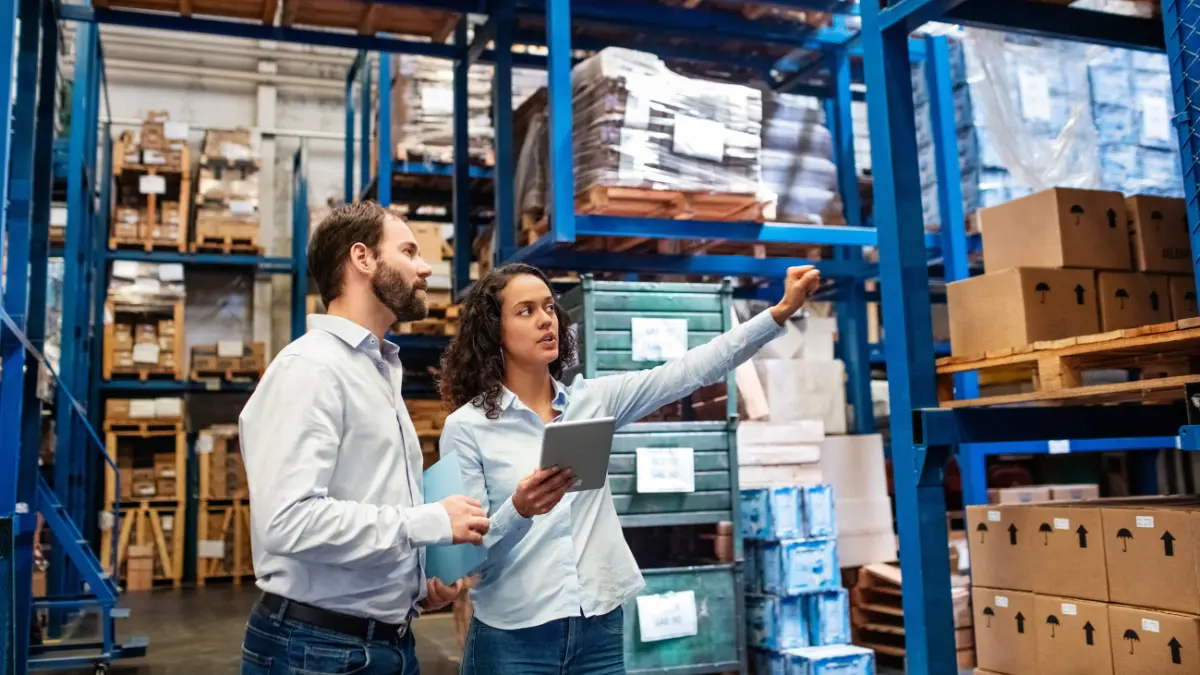
A successful order fulfillment strategy goes hand in hand with a successful business. Delivering on time and giving your customers the best experience possible is a great way to grow your brand.
But what exactly is order fulfillment and the process involved? This article will help cover these topics while going into detail about the challenges businesses face with order fulfillment and how to choose the right fulfillment strategy for your business.
What Is Order Fulfillment?
Order fulfillment is the process from when an item is purchased, all the way to its delivery at your customer’s doorstep.
Order fulfillment can be done within an operation’s own warehouse by team members or be outsourced to a third party service provider. It’s the most crucial part of the order processing and management.
Involving a third party to complete order fulfillment steps for ecommerce retailers can increase your business’ operational efficiency.
Because order fulfillment involves picking, packing and shipping items to customers, fulfillment issues can negatively impact your ability to meet demand and customer satisfaction.
What Is The Entire Order Fulfillment Process?
Below is a list of order fulfillment processes:
Receive goods
Ecommerce businesses have two options when it comes to handling inventory. The first being, they can opt to receive and stock goods in-house or use an order fulfillment outsourcer to take care of their goods.
Should they opt for the first option, the business is responsible for taking stock, assessing inventory and organizing the inventory system.
If they choose to outsource, these responsibilities will fall into the hands of the order fulfillment supplier.
Store goods
If a business warehouses goods themselves, there are more tasks awaiting once they are finished receiving inventory.
This includes shelving inventory and monitoring the movement of products so you can ship items without issue.
Process goods from orders
For businesses that manage their inventory, this is the stage in which the order is moved off the shelf to a packing station, assessed for any damages, boxed and then advanced to the shipping station.
Companies that outsource their order fulfillment aren’t required to delve into the fundamentals of order processing. It’s as simple as passing on the order request to their supplier where they’ll take over from there.
Ship goods
This is the part where the shipping method is determined based on the size, weight and other specific requirements of the order.
Typically a third-party carrier fulfills this step.
Delivery of goods
Goods are then delivered straight to the customer!
There are errors that can occur during this stage such as delays, missing or potentially damaged goods. That’s why it’s best to ensure that you’re giving your customers the best possible experience.
Order Fulfillment And Returns
Unfortunately, returns are also part of the order fulfillment procedure, which is where reverse logistics comes in.
The ability to simply return items that are damaged or just unwanted are major factors for customers looking to purchase from your operation.
Receiving, replacing, exchanging and refunding goods needs to be efficient, which means you must design a transparent policy that is available for your team members and buyers.
Also checking your inventory during the restocking process is a must so that all goods are accounted for and accurately documented.
One of the best ways to avoid additional stress and errors is to have this step automated.
Challenges Faced In Order Fulfillment
Transportation
Fuel prices can climb sharply, putting businesses under pressure to afford the cost of keeping their vehicles on the road.
As a result, the cost of getting goods from A to B also increases, resulting in frustrated customers who are less likely to make purchases.
Poor inventory management/ supply shortages
Having poor inventory management can impact the success of your operation and the satisfaction of your customers.
When a business grows, inventory management can often lag and if not updated, can negatively impact the order fulfillment process.
Should you face a shortage of stock, customers will opt for other services and you will lose potential sales.
To avoid confusing customers, your online store should show the quantity of products available for purchase.
Having a reliable inventory management software can improve the efficiency of your business and keep operations running smoothly. That way you can have peace of mind that everything is on track.
Planning for shifting demand levels
The demand for goods changes depending on seasonal peaks and economic and political circumstances. Knowing how much stock should be supplied is one of the major challenges faced in order fulfillment.
That’s where demand forecasting comes in. Through predicting future sales you can optimize your inventory and improve your planning and warehousing preparations.
Types of order fulfillment
In-house
In-house fulfillment is when businesses use their own team members to oversee the process within the fulfillment center.
This means they handle steps such as storing and shipping items on-site at company authorized locations.
Businesses who want to have more control over their operation typically choose in-house fulfillment. It’s a great option for start-up companies given its low-cost nature.
Third-party
Third-party fulfillment involves a third-party company who takes all the responsibilities of the order fulfillment process. This allows business owners and managers to focus on other operations, enhancing overall productivity.
It’s the third-party company’s responsibility to source inventory and have items shipped to customers.
Drop-shipping
Dropshipping can be considered close to outsourcing, however there is no inventory to oversee.
When a sale is made, the retailer purchases it from a third-party supplier meaning they don’t keep the goods they sell in stock.
Hybrid
Hybrid fulfillment is when an operation combines the options mentioned above to carry out their fulfillment process.
Take, for example, a business that processes a few in-house orders like items needing to be put together prior to shipping, while also using drop-shipping services for items that don’t need to be customized.
Which Strategy Is Right For Me?
There are several things to consider when choosing your optimal order fulfillment strategy. Each strategy comes with its own set of pros and cons so here are a few things you should comprehend to figure out the best fit for your business.
Knowing the type of customer you’re appealing to and where they’re purchasing from can help you make a decision on what fulfillment plan is right for your company. It’s a matter of how you can keep up with competitors and maintain the fundamentals within your business.
Additionally, you should consider where your products are heading to understand what fulfillment strategy will work best for your operation.
Also, you need to determine whether they are being shipped locally from your warehouse and if you can balance costs through the price of your items. You should also consider if it will continue to appeal to the consumer.
Order fulfillment software
Order fulfillment software is a solution that allows businesses to process orders and get them ready for shipping. By automating inventory and warehouse management, you increase the efficiency of your order fulfillment process.
This e-commerce solution is a great way to improve your supply chain management, minimize shipping costs and enhance customer satisfaction.
Manage The Destination Of Your Inventory With Locate2u
If you’re looking for a way to get your products to customers more efficiently, then Locate2u is the solution you need!
Locate2u is delivery management software that manages your bookings, optimizes delivery routes and provides access to real-time tracking. It’s the automation of your entire delivery process.
How good does that sound?
Request access to learn more about how you can manage the destination of your inventory with Locate2u.
Related Articles
Scaling Delivery Operations in Melbourne
How growing Melbourne delivery businesses can scale operations: planning capacity, adding drivers and vehicles, and keeping service steady as volumes rise.

Managing Mixed Fleets Across Australian Operations
How to run a mixed fleet of utes, trucks and specialized equipment across Australian sites: the scheduling, compliance and labor challenges and what fixes them.
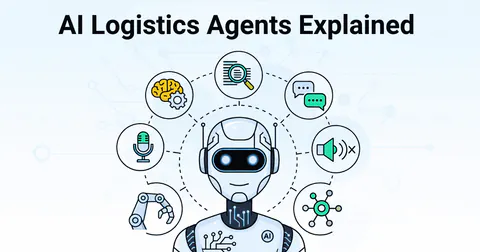
What Are AI Logistics Agents?
What AI logistics agents are, how they differ from rules-based automation, the main agent types, where humans stay in the loop, and the limits to plan for.