No Holiday Season Increases: US Postal Service Expects Lower Volumes
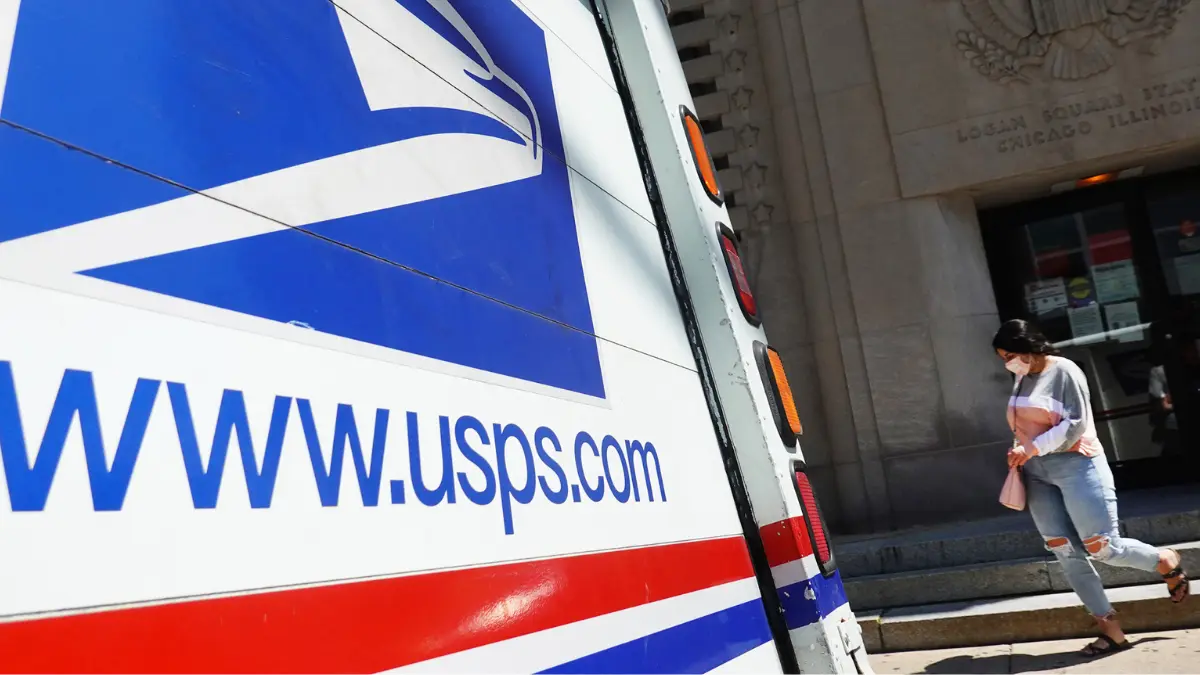
For the first time in about four years, the US Postal Service (USPS) won’t use the upcoming peak holiday season to expand its profit by raising fees.
This year, the parcel fee increase is controversial, especially with consumers feeling the economic pressure of higher inflation and low-to-no salary increases.
The US Postal Service expects a lower demand for its service this December, believing it won’t make any difference if it increases its cost like last year. Lower volumes mean less expenses.
At the same time, UPS and FedEx will start with their holiday surcharges as soon as next week.
The seasonal peak starts in October and ends in January.
Stamp price hike
The unchanged festive peak price has come as a surprise after the postal service hiked its stamp prices considerably last year.
July was the last time USPS increased its stamp price. The new rates included a rise in first-class mail stamps and first-class mail prices.
Extra help for Christmas
Usually, parcel delivery companies have their hands full over the festive season, with all the parcels expected to be delivered at a specific time.
This is in stark contrast to what the e-commerce giant Amazon is doing.
Amazon expects this Christmas season to be busy, hiring 250,000 seasonal employees this year.
What triggers the increases?
It is common practice to raise the costs of freight shipping. It is linked to carriers’ decisions. When they raise rates across trade routes, it triggers shipping rates. Carriers adjust their prices due to a supply and demand chain change.
According to Millie Tarallo, chief revenue officer at Dropoff, carriers must give shippers at least a month’s notice.
US Postal Service’s financial crises
Last month, the US Postal Service announced a quarterly financial loss of $1.7 billion. It suffered a notable decline in volumes of First-Class Mail, Marketing Mail, and packages.
The financial turbulence suffered by the US Postal Service is not unique. USPS has been battling to keep its head above water to a point where it affected the delivery of mail. It impacted employees' retirement benefits and the broader mailing industry.
Related Articles
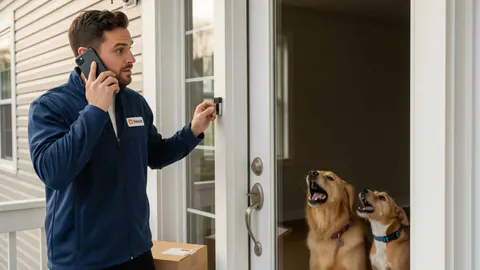
Last Mile Delivery Communication: 10 Fixes for Missed Updates
Missed delivery updates cause failed drops and repeat calls. Ten practical fixes, from accurate delivery windows and live tracking to two-way messaging.
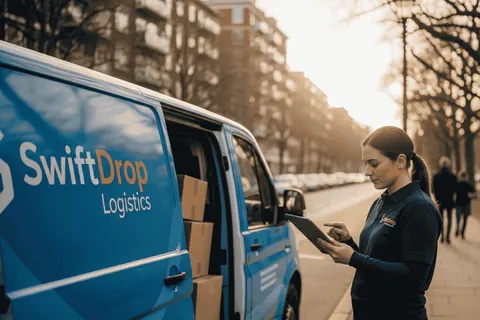
How to Improve Last Mile Delivery Without More Vehicles
Five ways to improve last mile delivery without adding vehicles: route optimization, tighter windows, fewer failed drops, smarter loading and better data.
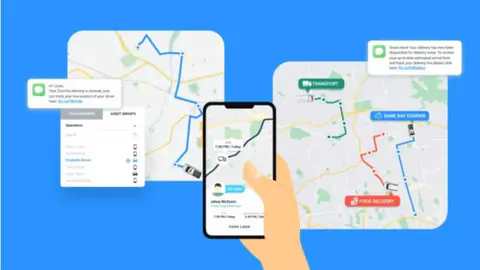
Last Mile Delivery Explained: The Basics and Beyond
Last mile delivery explained: what it is, why it is the costliest leg of the journey, the challenges it brings, and the tools and tactics that solve them.