GPS Tracking Software Guide: How It Works
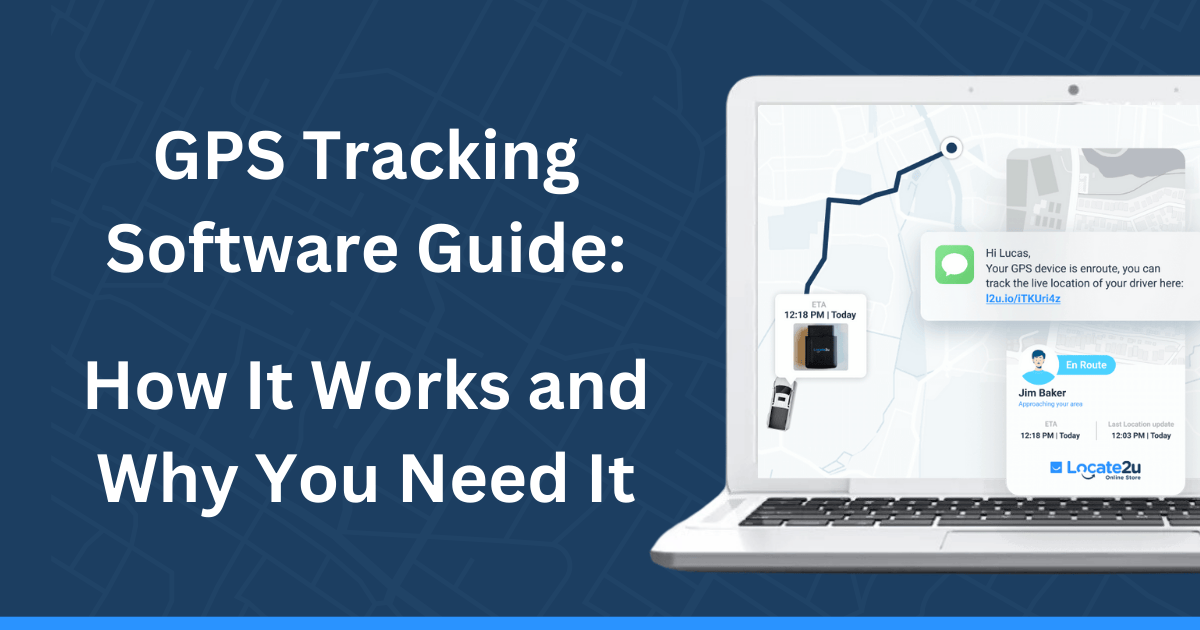
Imagine you’re managing a fleet of vehicles, but you’re always wondering where your drivers are and when they’ll reach their destinations. Sound familiar? That’s probably because you’re not using GPS tracking software.
Now imagine having a tool that gives you real-time updates, keeps your operations smooth, and helps avoid unnecessary stress. That’s exactly what GPS tracking software does.
Whether you’re managing deliveries, tracking assets, or ensuring driver safety, GPS tracking software is a game-changer.
This guide will break down everything you need to know about GPS tracking software, without all the tricky technical jargon.
Let’s start with the basics.
What Is GPS Tracking Software?
GPS tracking software, in the simplest terms, is a tool that uses satellites to monitor the location of vehicles, assets, or people.
It’s not just about knowing where something is. It’s about improving efficiency, reducing costs, and keeping everything running smoothly.
Businesses use GPS tracking software for everything from monitoring delivery trucks to tracking expensive equipment.
Still wondering if it’s worth the investment?
Why You Need GPS Tracking Software
Let’s put it this way: staying competitive means staying organized.
GPS tracking software ensures you know what’s happening with your entire fleet at all times.
More and more businesses are adopting GPS tracking, and the market for GPS tracking devices keeps growing.
Why the growth? Because GPS tracking software delivers value to businesses across industries by reducing fuel costs, improving delivery times, and boosting customer trust.
Core Features of GPS Tracking Software
1. Real-Time Location Tracking
See exactly where your vehicles or assets are at any given moment. This feature allows you to monitor operations in real-time and quickly address any delays.
Real-time tracking also provides a layer of accountability. Fleet managers can ensure drivers are following their planned routes, and in the event of an emergency, assistance can be dispatched to the exact location without delay.
2. Geofencing Alerts
Set up virtual boundaries and get notified if a vehicle enters or exits a specific area. Great for preventing unauthorized use or theft.
Geofencing can also enhance operational efficiency. For example, businesses can set up geofences around high-priority delivery zones to monitor entry and exit times, ensuring that drivers stick to their schedules.
3. Driver Behavior Monitoring
Track speed, harsh braking, and idle time. These insights improve safety and reduce fuel waste.
Driver behavior monitoring also provides opportunities for targeted coaching. By identifying risky behaviors, businesses can train drivers to adopt safer habits, reducing accidents and insurance costs.
4. Route Optimization
Efficient route planning saves time and fuel. It’s perfect for businesses with multiple stops or last-mile deliveries.
This feature also helps minimize driver fatigue. By providing the most efficient paths, it ensures drivers spend less time navigating congested roads, improving both productivity and morale.
5. Historical Data Playback
Review past routes and activities to analyze efficiency and identify bottlenecks.
Historical data can also assist in resolving disputes. For example, if a customer questions the timing or accuracy of a delivery, you can use past data to verify the details and maintain trust.
6. Mobile App Integration
Most GPS tracking software includes a mobile app, so you can keep tabs on your fleet from anywhere.
Mobile apps also empower drivers. They provide real-time updates, route changes, and proof of delivery options right from their phones, ensuring they have all the tools needed to perform efficiently.
Benefits of GPS Tracking Software
1. Improved Efficiency
With real-time updates and optimized routes, your team spends less time on the road and more time getting things done.
Improved efficiency also reduces delays and eliminates unnecessary detours, ensuring your entire operation runs like a well-oiled machine.
2. Cost Savings
Track fuel usage, reduce idle times, and minimize vehicle wear and tear. It’s an investment that pays for itself.
Cost savings don’t just stop at fuel. By optimizing resources and reducing manual work, GPS tracking software significantly lowers overall operational costs.
3. Enhanced Safety
Monitoring driver behavior helps prevent accidents and ensures everyone gets home safely.
Safety monitoring also boosts employee morale. Drivers feel valued, knowing their well-being is a priority, leading to a more motivated and productive workforce.
4. Better Customer Satisfaction
Accurate ETAs and faster deliveries keep customers happy. And happy customers mean repeat business.
Satisfied customers are also more likely to leave positive reviews, strengthening your brand’s reputation and attracting new clients.
Challenges of Implementing GPS Tracking Software
1. High Initial Costs
The upfront investment can feel steep, especially for small businesses. Look for scalable solutions that let you start small and grow.
To offset initial costs, businesses can calculate long-term savings from improved efficiency and reduced operational expenses, making the investment more justifiable.
2. Employee Resistance
Some drivers might feel like they’re being micromanaged. Clear communication about the benefits can help ease concerns.
It’s also helpful to involve drivers early in the process. By demonstrating how the software simplifies their work, you can turn potential resistance into enthusiastic adoption.
3. Data Overload
Having too much information can be overwhelming. Use dashboards that simplify data into actionable insights.
Data overload can be mitigated further by prioritizing key metrics. Focusing on actionable KPIs ensures your team doesn’t get lost in unnecessary details.
Locate2u Case Study: My Foodie Box
When My Foodie Box started using Locate2u’s GPS tracking software, their operations transformed overnight.
They went from managing multiple tools to a single platform that optimized routes, tracked deliveries, and provided proof of delivery.
Not only did this save time, but it also reduced fuel costs and increased customer satisfaction.
Drivers loved the simplicity of the mobile app, and customers appreciated the real-time tracking updates.
How to Choose the Right GPS Tracking Software
1. Understand Your Needs
Are you managing a fleet of trucks, or just a few delivery vans? Make sure the software matches your business size and goals.
2. Look for Scalability
Your business will grow, and your software should grow with it. Choose a solution that’s flexible and future-proof.
3. Prioritize User-Friendly Features
Complex software slows down adoption. Pick something intuitive, with features like drag-and-drop scheduling and easy app navigation.
4. Check for Integration
Ensure it integrates seamlessly with your existing tools, like CRM or ERP systems.
Future Trends in GPS Tracking Software
1. AI and Predictive Analytics
AI will take GPS tracking to the next level, predicting traffic patterns and recommending smarter routes.
2. IoT Integration
Sensors in vehicles and assets will provide real-time updates on everything from fuel levels to maintenance needs.
3. Eco-Friendly Tracking
Expect tools that prioritize sustainability by optimizing routes to reduce carbon footprints.
Final Takeaways on GPS Tracking Software
GPS tracking software isn’t just a tool anymore.
It’s a necessity for businesses managing fleets or assets. From saving costs to improving customer satisfaction, the benefits are undeniable.
Related Articles
Real-Time Tracking Myths That Hold Fleets Back
Three real-time tracking myths debunked: that it is surveillance, too costly to set up, or unreliable, plus a practical plan to roll tracking out to your fleet.
8 Ways to Cut Fleet Maintenance Costs
Eight ways fleet management software cuts maintenance costs, from predictive maintenance alerts and route optimization to driver monitoring and training.
5 Ways Fleet Management Software Cuts Fuel Use
How fleet management software improves fuel efficiency through smarter routes, driver behavior coaching, less idling, preventative maintenance and telematics.