6 Ways Real-Time Tracking Proves Its Value
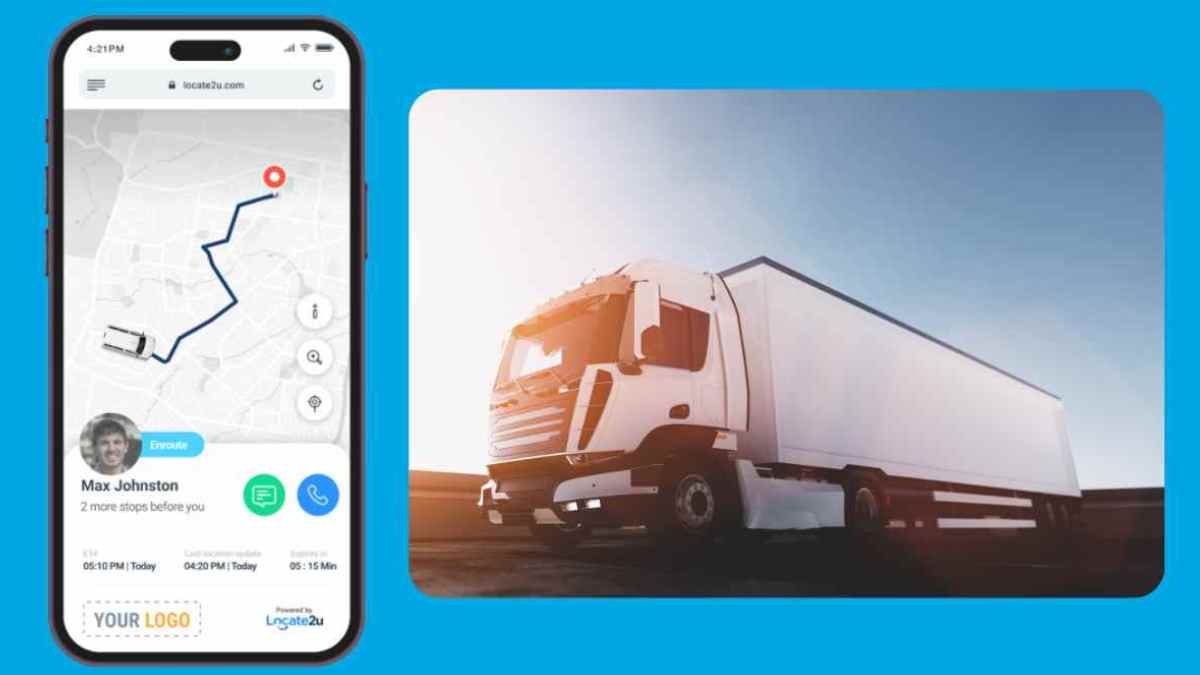
With no real-time tracking, customers are left with vague updates, revving up their frustration levels. Nobody wants to stare at the tracking page and continuously refresh it, hoping that there will be more information about their delivery.
Businesses and customers crave instant information, especially when it comes to waiting for their deliveries, which they have already paid for but not yet physically holding in their hands.
If you are still not convinced that you need real-time tracking for your deliveries, you are in the right place. In this article, we’ll shift your view by walking through six ways live tracking proves its worth.
What Is Real-Time Tracking?
Customers want to know more than just when and where their parcel will arrive at their front door. Some delivery companies only send static updates, informing the customer when the parcel is heading their way and when the driver has arrived.
However, the silence gap between the first and the last message can be deafening, highlighting the absence of communication.
Real-time tracking software continuously monitors the exact location and status of parcels as they move through the supply chain. It sends the business and customer real-time automated messages to avoid confusion or misinformation.
It makes use of tools like GPS-tracker to collect and transmit the location data to track the parcels’ whereabouts during transit. This is called end-to-end visibility in the logistics field.
Customers are provided with a live tracking link during the last-mile delivery phase. This includes a photo of the driver, the driver’s name, and the ETA and the date.
This way, customers don’t have to take time off from work or sit around at home all day waiting and guessing when the parcel will arrive. It will also save the business money if there is no missed delivery.
Now, let’s examine six reasons why real-time tracking is the smartest technology for helping you and your customers.
1. Real-Time Tracking Reduces Delays
Implementing real-time shipment tracking helps reduce delays, because problems become visible while there is still time to act on them.
For companies managing their own deliveries, minimizing delays is crucial.
With real-time insight, you can respond quickly to disruptions and improve your customer satisfaction.
While the estimated time of arrival (ETA) is helpful, real-time data can help inventory management by reducing the reliance on estimates. It makes forecasting more accurate, resulting in less waste.
2. Real-Time Tracking Cuts Customer Claims and Inquiries
Pairing tracking apps with route optimization gives customers and dispatchers the same accurate picture of every delivery, which leaves far less room for disputed or failed deliveries and the claims that follow.
It also means fewer phone calls from customers asking where their order is.
Historically, trying to manually field all the questions from customers wanting to know where their parcel is costs businesses money, labor, and time.
Without real-time tracking, companies risk higher claim rates, leading to increased costs and eroding customer trust.
3. Real-Time Tracking Enhances Supply Chain Visibility
Real-time tracking is a great asset for customer satisfaction and for maintaining the visibility of your stock at all times.
In the supply chain sector, it allows parties to see the location of an item in transit at any given moment.
In the past, companies had limited visibility and couldn’t proactively manage potential disruptions. Without real-time insights, businesses are left reacting to issues after they’ve occurred.
4. Real-Time Tracking Reduces Operational Costs
Real-time tracking can save your business money. A transport management system that includes real-time tracking replaces manual check-in calls and paperwork, and gives you the data to cut wasted miles and idle time.
Without technology, businesses relied heavily on labor-intensive and error-prone systems. These inefficiencies cost money and ultimately affect their bottom line.
5. Real-Time Tracking Enhances Transparency and Control
These days, it’s all about control. The better the handle you have on logistics operations and your delivery, the more information and location data you have to make informed decisions.
With real-time tracking, companies can keep their finger on the pulse all the time. They can track the location of their fleets or assets in real time.
A Western Australia company called WARRRL is using real-time tracking to monitor their recycling bins and to help customers know when the rubbish removal truck is in their neighborhood.
Another example of how live tracking can help improve customer service is by ensuring fresh food stays cold or hot, irrespective of the weather. Husk Bakery uses real-time tracking software to let its customers know on Facebook where the mobile van is roaming for the day.
6. Real-Time Tracking Supports Proactive Issue Resolution
Being proactive rather than waiting for a mistake or a crisis to happen is possible with real-time tracking. Logistics professionals can easily spot and anticipate if something is about to go wrong, and even divert and resolve the issue.
Related Articles
Real-Time Tracking Myths That Hold Fleets Back
Three real-time tracking myths debunked: that it is surveillance, too costly to set up, or unreliable, plus a practical plan to roll tracking out to your fleet.
8 Ways to Cut Fleet Maintenance Costs
Eight ways fleet management software cuts maintenance costs, from predictive maintenance alerts and route optimization to driver monitoring and training.
5 Ways Fleet Management Software Cuts Fuel Use
How fleet management software improves fuel efficiency through smarter routes, driver behavior coaching, less idling, preventative maintenance and telematics.